

Welcome to Reaching for Recovery and… Beyond, where we serve individuals in recovery across Harford County Maryland. Our mission is to provide compassionate support and advocacy to overcome the barriers that make the recovery journey harder, including stigma in family courts, workplaces, and healthcare. We amplify the voices of recovery champions—community leaders, business owners, and those who have walked the path of recovery—to inspire strength and resilience. We believe everyone in recovery is a champion, and we are committed to supporting one another as we navigate sober lives. Recovery doesn’t end at sobriety, it’s where the path to acceptance begins.
At Reaching for Recovery, we believe that recovery is not a solitary journey—it’s a shared experience that weaves through individuals, families, and communities. This platform was created to reflect that truth, offering space for connection, storytelling, and transformation among three deeply interconnected groups:
Addiction impacts more than the person who struggles with it—it touches every relationship. Whether your loved one is in recovery, still struggling, or no longer with us, your journey matters. This is a space for family members and friends to share their truths, support each other, and seek healing of their own. Many are part of their own support networks or 12-step fellowships. Some are navigating grief, others are rebuilding trust—and all are welcome here.
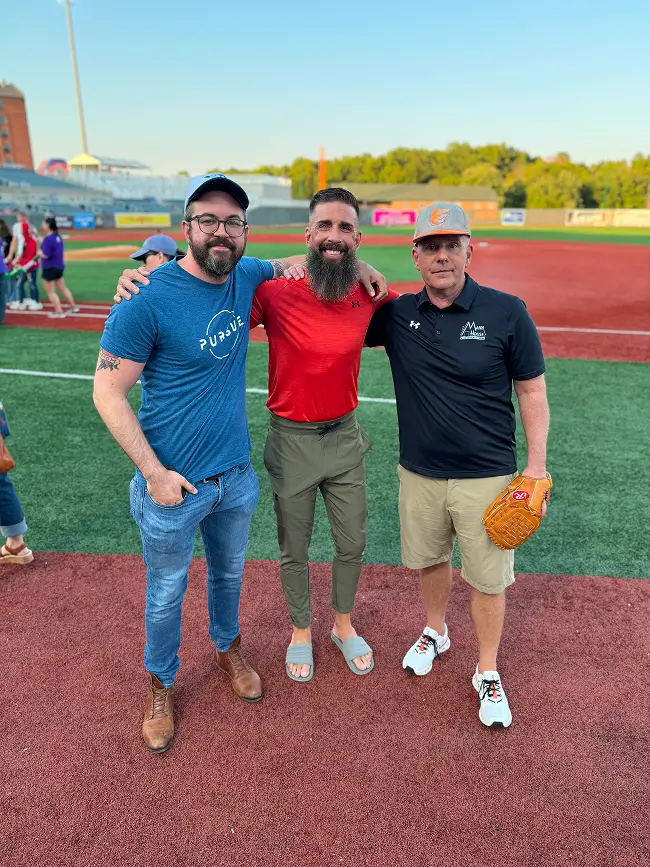

This is a space for those actively pursuing or living in recovery. Many here follow 12-step programs, but all are united by a common thread: the courage to change and the strength to grow.
We share our experience, strength, and hope—reflecting on life before recovery, what led us to seek change, and what life looks like today. We also speak honestly about the challenges that continue after recovery begins, including stigma, rebuilding relationships, and finding lasting acceptance.
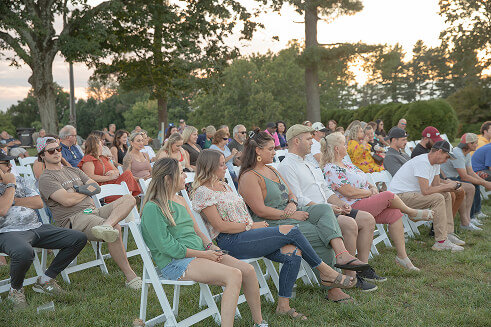
The public narrative around addiction and recovery has long been shaped by misunderstanding and stigma. But recovery is not a weakness—it’s a testament to human strength.
We invite educators, employers, neighbors, and community members to listen, learn, and grow with us. Real stories have the power to dismantle stereotypes and build bridges of compassion and connection.
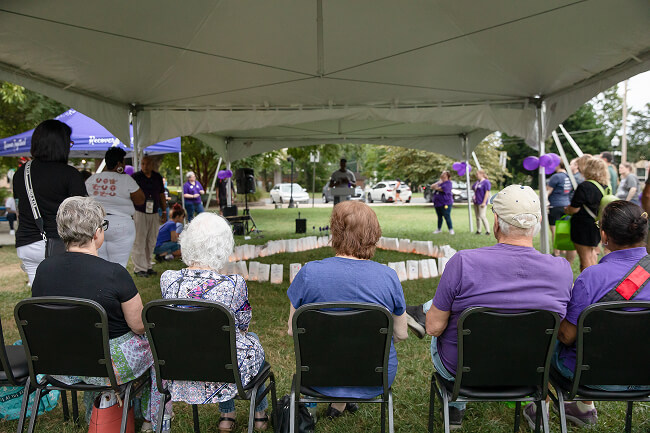
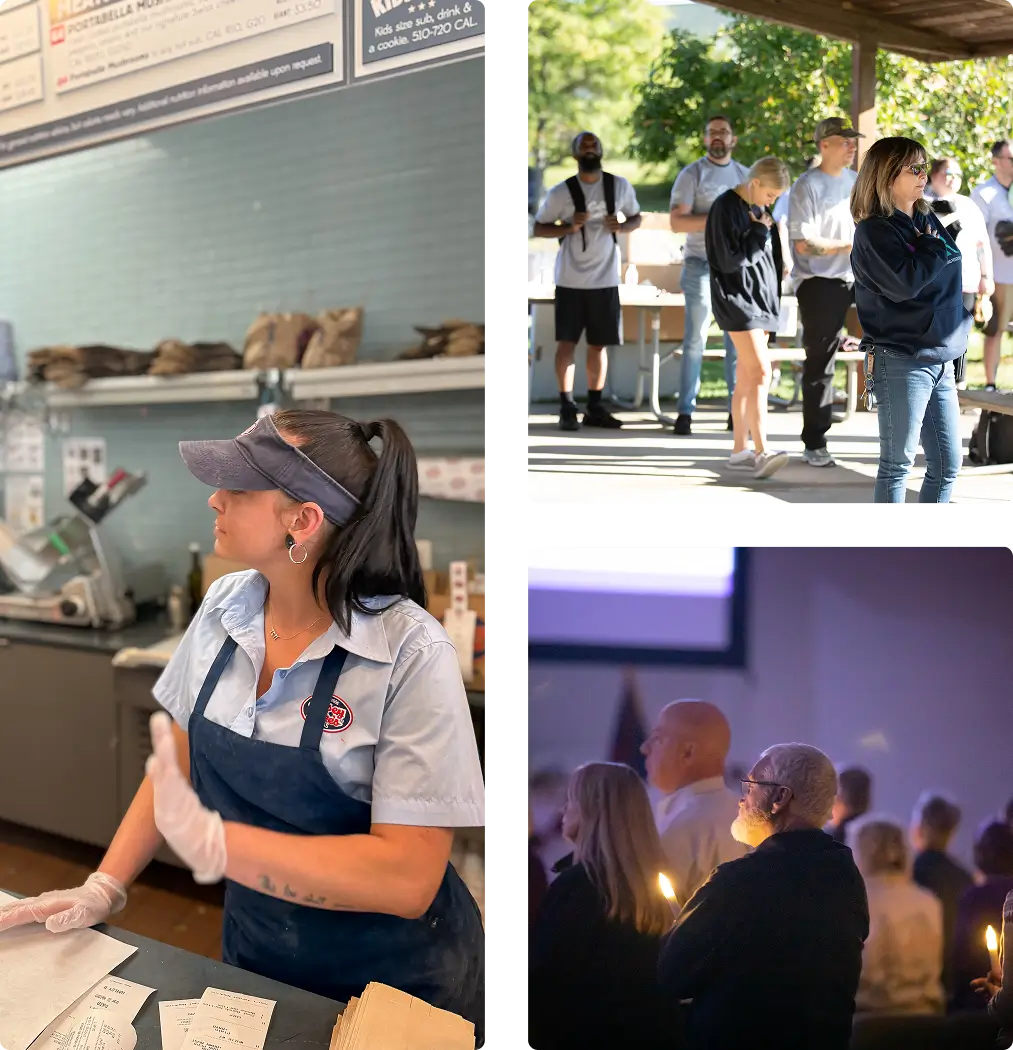
Reaching for Recovery is more than a website—it’s a movement toward unity, empathy, and change. By sharing our lived experiences, we challenge outdated beliefs and show what recovery really looks like: messy, courageous, ongoing, and deeply human.
We encourage everyone—no matter where you are on this journey—to contribute and explore stories that speak to:
After more than four decades of continuous sobriety, I believed recovery was something to be celebrated — embraced by family, friends, and the Harford County community I call home. How could I have been so naïve?
Reaching for Recovery was born out of an injustice. In a child custody case, a loved one’s long-term recovery was weaponized in family court. Lawyers used their recovery history to question their ability to parent. Even more disturbing, the judge didn’t just allow this — he actively participated in the stigmatization.
At first, I thought this was an isolated incident. But I soon learned it wasn’t. This tactic — using long-term recovery against a parent — is far too common. And it doesn’t stop in the courtroom. I began to see the same bias in employment, healthcare, and in other corners of our justice system. Thankfully, this parent in recovery wasn’t alone — the Harford County recovery community stood with them. But even with that support, the outcome was heartbreaking: they were granted only limited access to their child, and only at great financial and emotional cost.
Whether you’re in recovery, love someone who is, have lost someone along the way, or simply want to understand — this space is for you. Through shared stories and collective support, we aim to raise awareness, build a community free from stigma, and advocate for justice.
Recovery is more than an individual journey—it is a shared experience that involves a network of relationships, understanding, and support. The Venn diagram visually captures this dynamic by highlighting three key communities in the recovery ecosystem:
The person in recovery, friends and family, and the community as a whole.
Each plays a critical role in shaping the recovery journey, and their overlapping support is essential to fostering lasting healing and growth.
At the heart of recovery is the individual who is walking the path of healing. This journey is deeply personal, marked by triumphs, setbacks, and resilience. The person in recovery faces unique challenges—overcoming stigma, maintaining sobriety, and rebuilding their life. This circle represents their personal growth, strength, and the internal work necessary to heal. They are not defined by their past but by their courage to move forward.
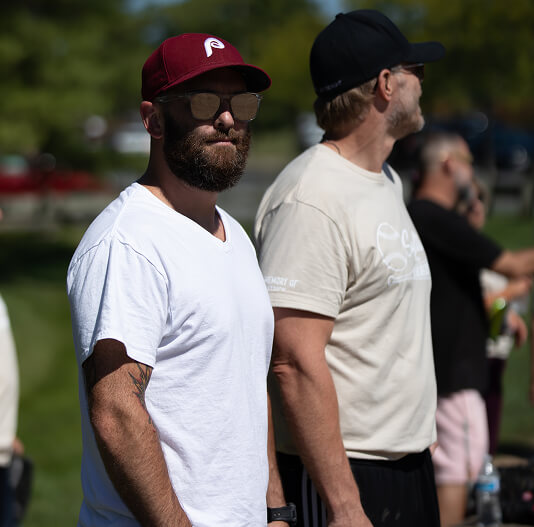
Recovery doesn’t happen in a vacuum. The friends and family of someone in recovery play a vital role in the process. Their support, understanding, and patience can significantly impact outcomes. This community often faces their own emotional journey—learning to navigate boundaries, trust, and compassion. They are the shoulders to lean on, the voices of encouragement, and the first line of emotional support.
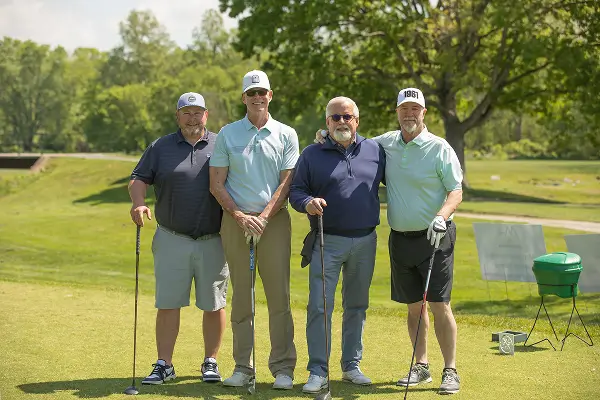
Beyond the immediate circle lies the broader community—neighbors, employers, healthcare professionals, faith groups, and local organizations. This group helps create the environment in which recovery happens. Community support can be seen in accessible treatment resources, recovery-friendly workplaces, and efforts to reduce stigma. A compassionate, informed, and supportive community can make all the difference in how welcoming and sustainable recovery is for an individual and their loved ones.
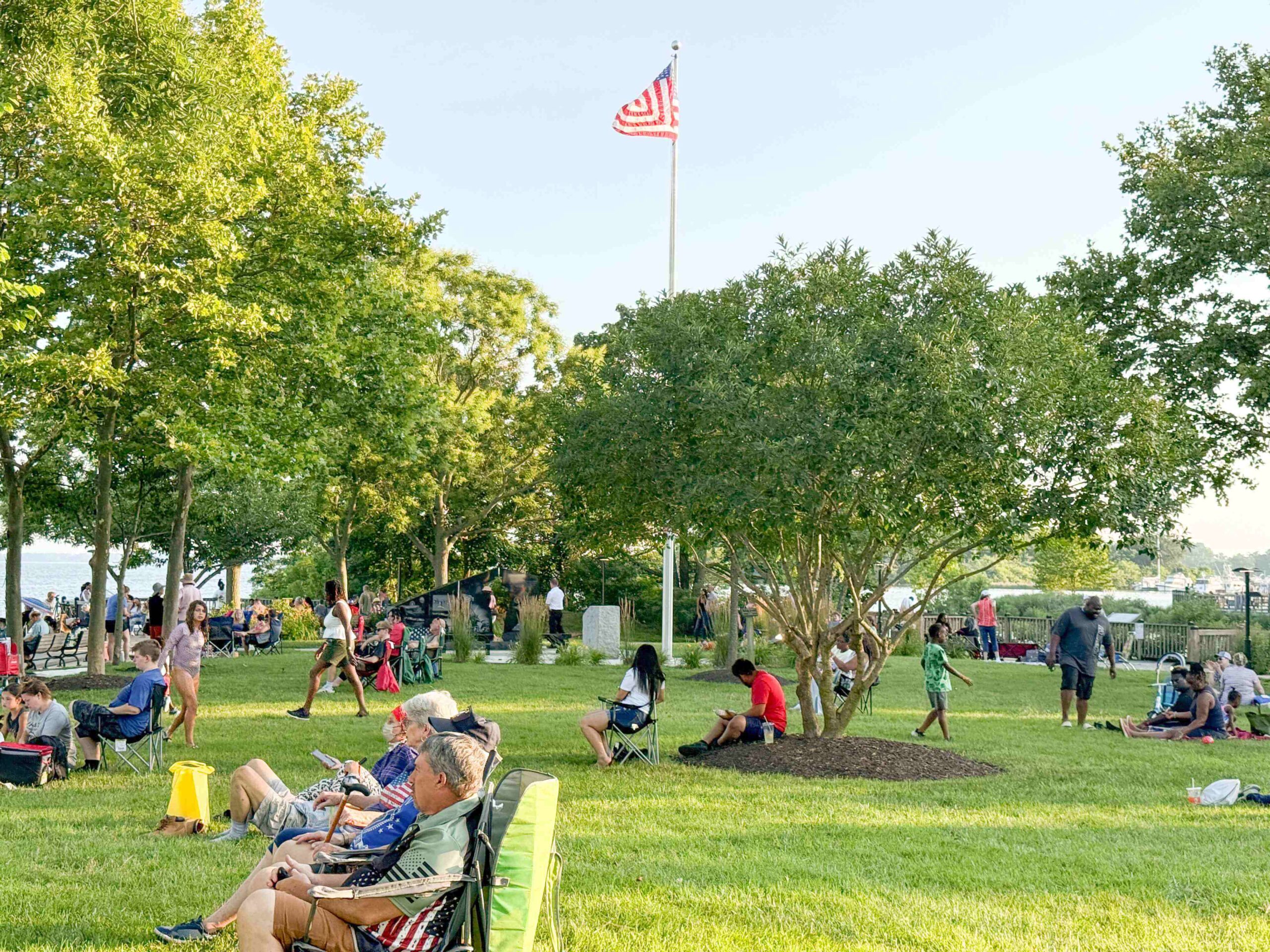
The center of the diagram represents unity, compassion, and shared responsibility. It is the ideal—a place where recovery is embraced as a community value, where stigma is replaced with support, and where every voice matters.
This overlap symbolizes the direct support network—shared experiences, emotional growth, and the personal impact recovery has on relationships. When these connections are healthy, they offer a foundation of trust and love.
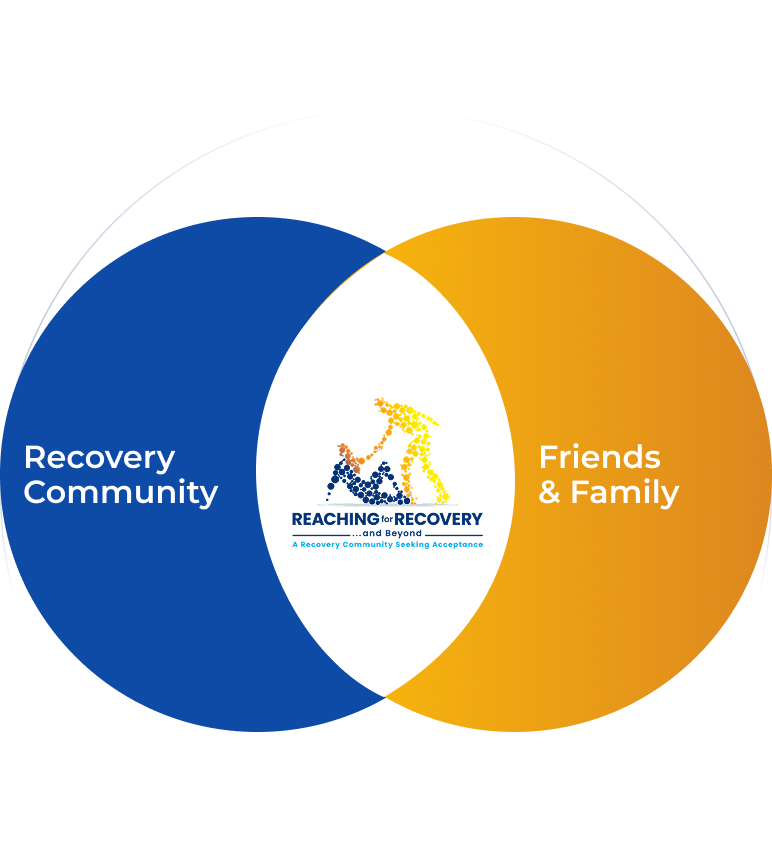
Reintegration, opportunity, and understanding live in this space. When communities offer resources, fair treatment, and second chances, individuals can thrive beyond their recovery.
Here, we find resources and support systems that educate and empower loved ones—support groups, public awareness campaigns, and local networks that help families navigate recovery’s complexities.
We are a nonprofit organization focused on connecting individuals, families, and communities with recovery resources, advocacy efforts, and education. Our goal is to be a trusted source of information and support for those navigating the recovery journey.
No, we do not provide treatment, therapy, or crisis services. Instead, we offer education, connections, and advocacy to help individuals find the right resources for their needs.
Our resources are available to individuals in recovery, their families, and anyone interested in learning about recovery-related issues. We also work with community partners to foster awareness and advocacy.
No, we support all recovery pathways and do not promote any single method, treatment program, or religious affiliation.
We focus on public awareness, community education, and advocacy efforts that challenge outdated stereotypes and promote positive, accurate narratives about recovery. In addition, we are happy to publicly feature Harford County’s community leaders, businesses, and individuals who have demonstrated their overwhelming support of recovery and eliminating stigma. At the same time, we won’t hesitate to publicly expose those who unjustly stand in the way of recovery and continue to advance stigma.
Reaching for Recovery operates in Harford County Maryland. However, our hope is that other counties throughout the State of Maryland will eventually adopt a similar website for their own local recovery community. By keeping it local, those in recovery can be assured that their voice will have more of an impact on their county leaders, businesses, and the community where they live.
Recovery is a journey that touches not only individuals, but also their family, friends, and community. Stigma can still create challenges in personal, professional, and legal areas. Although we ask for your full name when taking the pledge, you can always share your story anonymously; these stories need to be heard. Share your story — your voice can help make Harford County a recovery-friendly place for all.
© 2026 All Rights Reserved. ReachingForRecovery.

